
Data Engineering Consulting
Implementing Cloud, Hybrid and On-Premise Architectures
From the initial source system to the final production data model, The Information Lab establishes the technical foundation required for fast, reliable analytics. We integrate, clean and structure data from disparate systems, ensuring it is delivered seamlessly for Business Intelligence, executive reporting and advanced analytics.
Powerful Frontends
Require a Resilient Backend
High-performance dashboards and executive reports depend on a solid data foundation. When underlying data architecture lacks structure, organisations face sluggish query times, isolated data silos and analytics that fail to command trust in daily operations. Many companies struggle with internal capacity constraints when building, modernising and maintaining scalable Data Warehouses over the long term.
Furthermore, legacy architecture initiatives frequently fail to deliver expected scalability or operational flexibility. The result is unnecessary technical debt, inconsistent metrics and reporting workflows that impede business velocity rather than providing clarity. Professional Data Engineering unifies fragmented data streams into a single, clean and reliable analytics foundation.
End to End Data Engineering
ETL, ELT and Data Warehousing

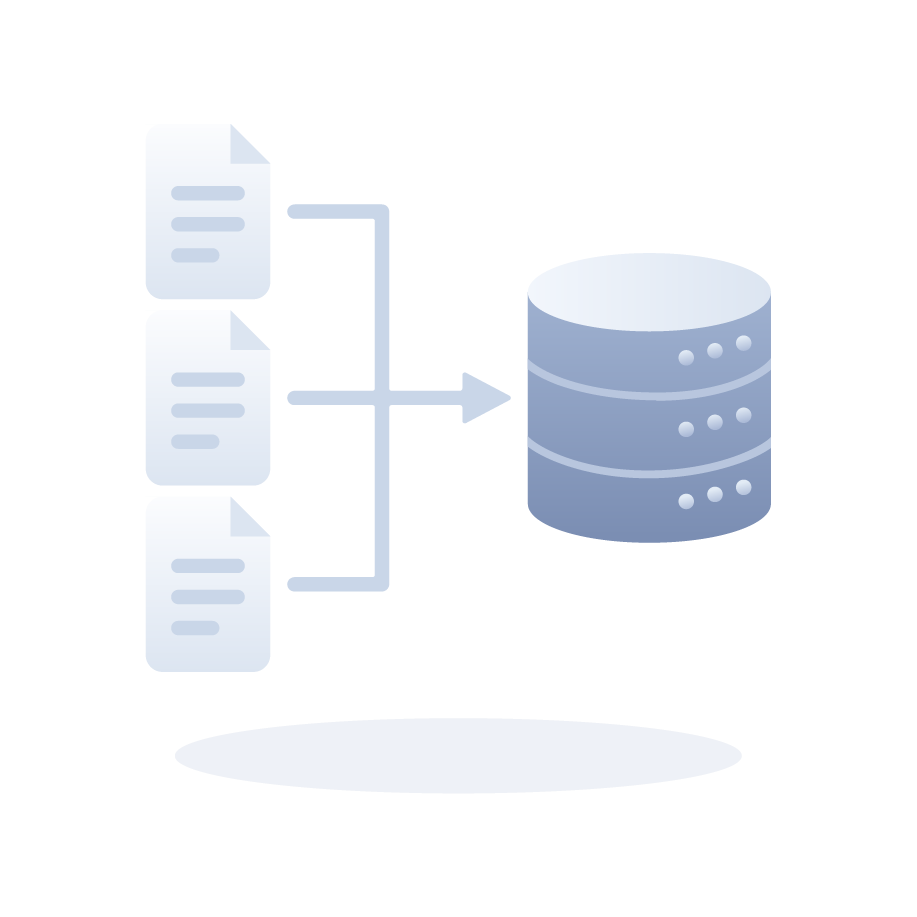
The Information Lab covers the complete Data Value Chain from initial data extraction and ingestion through to transformation, dimensional modeling and final delivery for business reporting.
Our unique perspective as visual analytics and BI specialists brings a major operational advantage: alongside deep data platform architecture expertise, we design data structures specifically tuned to ensure downstream visual analytics platforms perform rapidly, intuitively and reliably. Our data engineering practice focuses entirely on this critical backend foundation.


Cloud, Hybrid & On-Premises Data Architectures
Cloud, hybrid, and on-premise environments present distinct architectural, security and operational demands. We implement architectures engineered specifically around your technical reality, compliance mandates and functional objectives.

Supported Self-Service
We build robust technical foundations that empower internal business teams to operate and expand analytics independently using the principle of Supported Self-Service.
Our architectures grant business units the autonomy to perform ad-hoc analysis while preserving the underlying engineering stability required to support complex enterprise use cases. Where additional support is required, targeted advisory guidance complements your day-to-day internal operations.
From Architecture Blueprint to Living Data Culture
The Information Lab adapts engagement models precisely to your digital maturity, target blueprint and project scope, ranging from targeted architecture workshops and rapid Proof-of-Concepts to full-scale platform engineering.

Requirements Workshops & Architecture Design
Evaluating status-quo infrastructure, defining target state architecture and mapping operational requirements.
Proof-of-Concept
Building rapid prototypes with real business data to validate technical feasibility, query performance and ROI early.
Implementation & Scalable Delivery
Engineering production-grade ETL/ELT data pipelines, data models and storage layers built for scale.
Enablement & Knowledge Transfer
Training internal engineering and analytics teams so new data pipelines are maintained and expanded independently.
Technology Stack Tailored to Your Business Demand
Optimal data architecture depends strictly on your existing IT ecosystem, scaling needs and business objectives. The Information Lab operates across traditional relational databases, modern cloud data platforms and market-leading orchestration, modeling and ingestion tools, including dbt and Fivetran, PySpark, Airbyte, and Adverity.
Upstream or downstream of the core Data Warehouse, platforms like Alteryx or Tableau Prep are integrated strategically to enable business departments to perform rapid, clean self-service data preparation.
When enterprise data landscapes demand custom API connectors, specialised streaming architectures, or complex low-level integrations, our consultants draw upon background software engineering and DevOps capabilities, developing custom connectors in Python, C++, or Rust.






Security & Trust
for Demanding Data Landscapes
A dependable data infrastructure requires uncompromised security, resilient processes and audited governance standards. The Information Lab is ISO 27001 certified and serves data-driven organisations operating under strict regulatory frameworks, including international enterprise groups and financial institutions.
Due to our work across the mid-market, corporate groups and the financial sector, our client data architectures remain strictly confidential. Independent client reviews on ProvenExpert reflect the trust placed in our execution. With over 900 testimonials maintaining an average rating of 4.8 out of 5 stars, our track record confirms our technical authority and practical reliability.
Data Engineering Training & Enablement
Alongside implementation advisory, The Information Lab delivers practical Data Engineering training programmes. We equip internal engineering and analytics teams with hands-on technical skills, methodological confidence and a deep understanding of modern data platform architectures.
Expert Knowledge
Let’s Discuss Your Data Engineering
Whether engineering a new cloud data foundation, modernising legacy pipelines, or seeking extra delivery capacity for active data projects: let’s evaluate your status quo in an initial consultation and define the optimal path forward.

Benjamin Gretsch
Lead Data Engineer
Startseite- & Serviceskontakformular ENG
"*" indicates required fields
Frequently Asked Questions
What is the difference between Data Engineering and Data Analytics?
While Data Analytics focuses on frontend visualisation, reporting and executive dashboards, Data Engineering provides the underlying backend foundation. It ensures raw data from disparate source systems is extracted, cleaned, transformed and loaded (ETL/ELT) into a structured Data Warehouse or Lakehouse. Without clean data engineering, frontend analytics remain slow, error-prone and costly to maintain.
Which technology stacks and platforms does The Information Lab support?
We operate strictly tool-agnostically, selecting technologies matched to your IT landscape. Our engineers possess certified expertise across modern cloud warehouses like Snowflake and AWS, transformation engines like dbt, ingestion tools like Fivetran and Airbyte and workflow platforms like Alteryx. Where standard connectors fall short, we build custom high-performance pipelines using Python, C++, or Rust.
How does a typical Data Engineering implementation project proceed?
Engagements begin with a structured Architecture Assessment to identify data bottlenecks, pipeline failures and isolated silos. Rather than launching multi-year IT initiatives, we build rapid Proofs-of-Concept using your business data to validate query performance and business value. Following validation, we implement robust production ETL/ELT pipelines alongside structured team enablement.
Can legacy, historically grown data infrastructures be modernised?
Yes. Alongside building new cloud platforms, The Information Lab refactors, consolidates and scales existing data architectures. We resolve query latency issues, eliminate conflicting metric definitions to establish a Single Source of Truth and transition chaotic data flows into maintainable, well-documented pipelines.
How is information security guaranteed in cloud or hybrid architectures?
Managing business-critical data requires strict IT security protocols. As an ISO 27001 certified partner headquartered in Hamburg, The Information Lab supports corporate groups and mid-market organisations in heavily regulated sectors (such as financial services) across the DACH region. Strict governance protocols and role-based access controls ensure all data movements comply fully with enterprise security policies.
What is The Data School and what value does it bring to client projects?
The Data School is a specialised talent programme by The Information Lab that trains talented individuals into professional data analysts and BI consultants. Following an intensive four-month training cycle, these consultants support client organisations directly on operational BI, data preparation, and analytics projects, providing an agile way to bridge internal capacity bottlenecks and inject fresh methodology into existing teams.
